Laser 1 (1971)

Laser I – Lynda Spikell and Michael Killgore
General Information / Laser
May 1960: Theodore Maiman operated the first successful optical (ruby) laser, emitting a focused red light pulse.
(1968) Rockne Krebs – first 3-D laser beam art installation presented in the Gallery of Modern Art, Washington, DC. https://www.rocknekrebs.com/
Mid-1970s Supermarkets introduced automated laser barcode scanners, creating the first large-scale commercial consumer application.
Artist Collaborators
Rockne Krebs: Groundbreaking visual artist
Maida Wither: Innovation – dance and technology
Maida and Rockne were associates on the Board of Directors for Washington Project for the Arts, a leading arts organization established by Alice Denny committed to pioneering, experimental, visual and interdisciplinary art and artists.
Laser Dance I
(1971) Laser I (Date TBD) Male/female “feminist” statement with dancers Lynda Spikell and Michael Killgore, Dorothy Betts Marvin Theatre, Washington, DC. No photos are available of the Laser Installation.
(1973) October 5 & 6 Laser I – dancers Lynda Spikell and Michael Killgore, Philadelphia, PA.
(1974) Maida Withers Dance Concert December 13, 14, 15 – Washington Project for the Arts
Note: Celebration of MWDCCo application for federal 501-C-3 tax-exempt status as a non-profit cultural organization in Washington, D.C. (See 501-C3 1976 verification document.
(1974) Laser I – December 13, 14, 15 – Lynda Spikell and Brook Andrews, duet – featured work for the evening-length performance celebrating the founding of Maida Withers and the Dance Construction Company as a Federally Tax Exempt Organization.
For the original choreography, 1971, Maida conceived of the dance as a “feminist statement” – equity of men and women. At the time, feminism was a controversial issue related to the US Constitution and the proposed amendment to include women in the US Constitution.
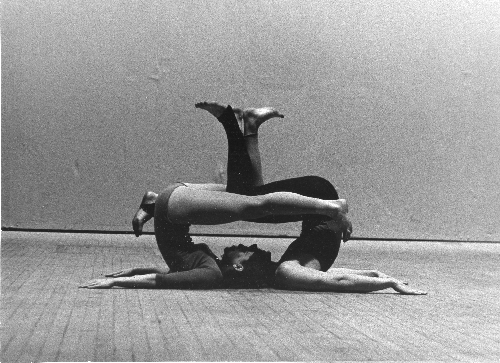
Dancers Michael and Lynda were cast based on similarities of their bodies (height, weight, general appearance). All moves in the choreography required identical skills and visual impression of the male and female bodies – a beautiful and complex “feminist” duet. Music: recording by George Harrison, British Beatles composer/musician. The work was not political in content but in conception of equity physically.
The second dancers, Brook Andrews and Lynda Spikell, were cast to perform Laser I without consideration of identical physical characteristics. Music for performance: recording by George Harrison, British Beatles composer/musician.
For Laser I, dancers were not required to wear protective attire. The laser installation was created with red laser light beams about 3 inches off the floor that created a large red “W” configuration in the stage space. Red laser is a more common laser not considered so dangerous. In Laser I the red laser beam was about the height of the dancers ankles, only, so there would be no contact of laser with the eyes. The Dorothy Betts Marvin Stage accommodated Rockne’s large “W” structure (letter “W”). The laser beam did no extend into the audience. Dry ICE was in large plastic containers in the wings near the stage. The ice created a magical atmosphere on stage that would accommodate and make visible the red laser light beams. Being close to the floor, the laser light was interrupted / disturbed by the dancers when they stood in the light or when they passed through the beam performing the choreography. Dancers intentional “scuffing” the dancers feet disturbed dust, present on the floor, and made the red beams visible. The Laser installation was a distinctive and beautiful stage set, an exquisite visual environment for the male/female duet performance.
The original concept for the choreography required a casting of a male body and a female bodies that were almost identical in height and body image. The choreography was a strong statement by Maida regarding her “feminist” views of equity for men and women. The original dancers were perfect in their physical similarity. The choreography was extremely imaginative in creating moves, designs and other weight bearing images that captured the essence of the perfect balance of men and women related to gender identity. The choreography was inventive and intriguing – considered by Withers, a “feminist advocate” through MERA (Mormon’s for Equal Right’s Amendment)!
Note: Maida Withers and three Mormon friends established the MERA organization as a not-for-profit-political organization to promote equal inclusion of women and men in the Constitution of the United States, with an amendment to the constitution. No such legislation has not yet been approved by a sufficient number of states (2026) to be enacted.
The second duet casting, 1974, Lynda Spikell and Brook Andrews, was not based on the identical structure of the two dancers bodies. The work continued to be unusual choreography, but did not have the visual power of the identical casting making a “feminist” statement. This second duet performance was without a laser installation by Krebs. The duet was part of Maida Withers Dance Concert celebrating the approval of Maida Withers and the Dance Construction Company as a federally tax exempt cultural organization (1974). Brook Andrews, dancer in Laser Dance, was one of the founders of Maida Withers and the Dance Construction Company.
( See Photos below)
(1971) – Premiere: Dorothy Betts Marvin Theatre with laser installation by Rockne Krebs and choreography by Maida Withers.
1974 – Performance: Celebration of founding of MWDCCo as a not-for-profit tax exempt organization in the District of Columbia.
1977 – Repertory: Laser Dance choreography re-staged by Choreo-18. Jewish Community Center Company. Rockville, Maryland, 1977.
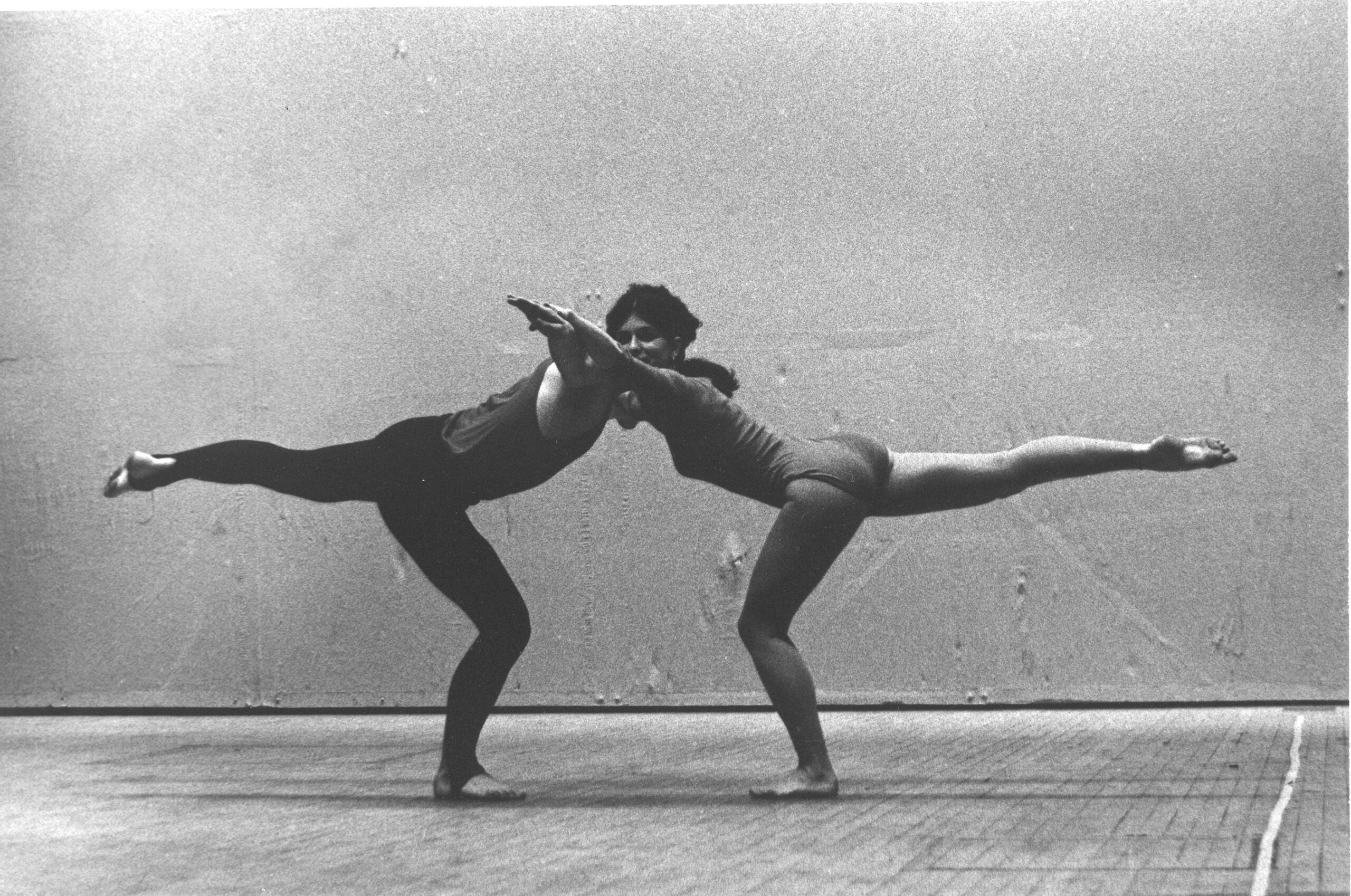
1971 – Michael Killgore and Lynda Spikell 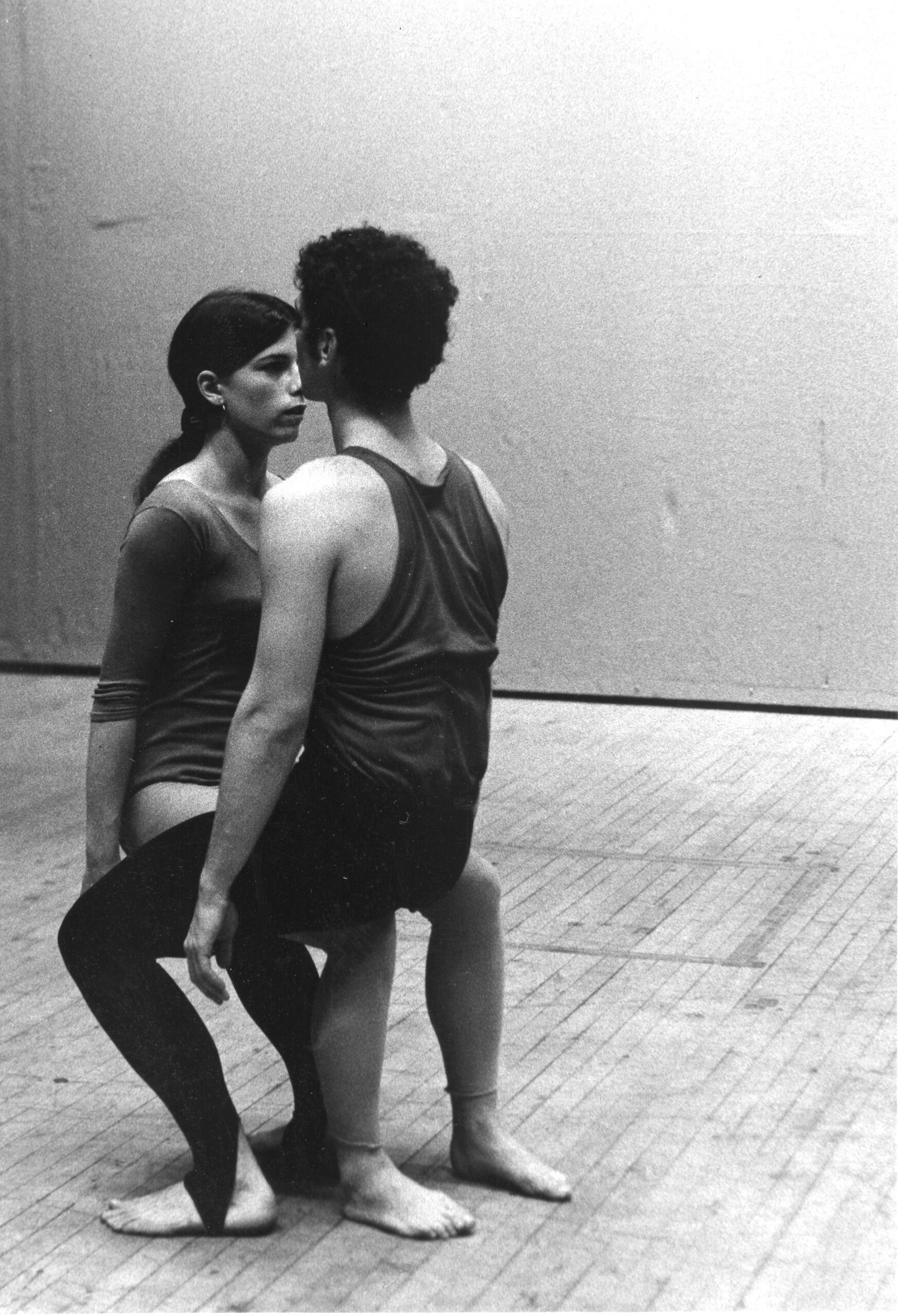
1971 – Lynda Spikell and Michael Killgore

1971 – Michael Killgore and Lynda Spikell
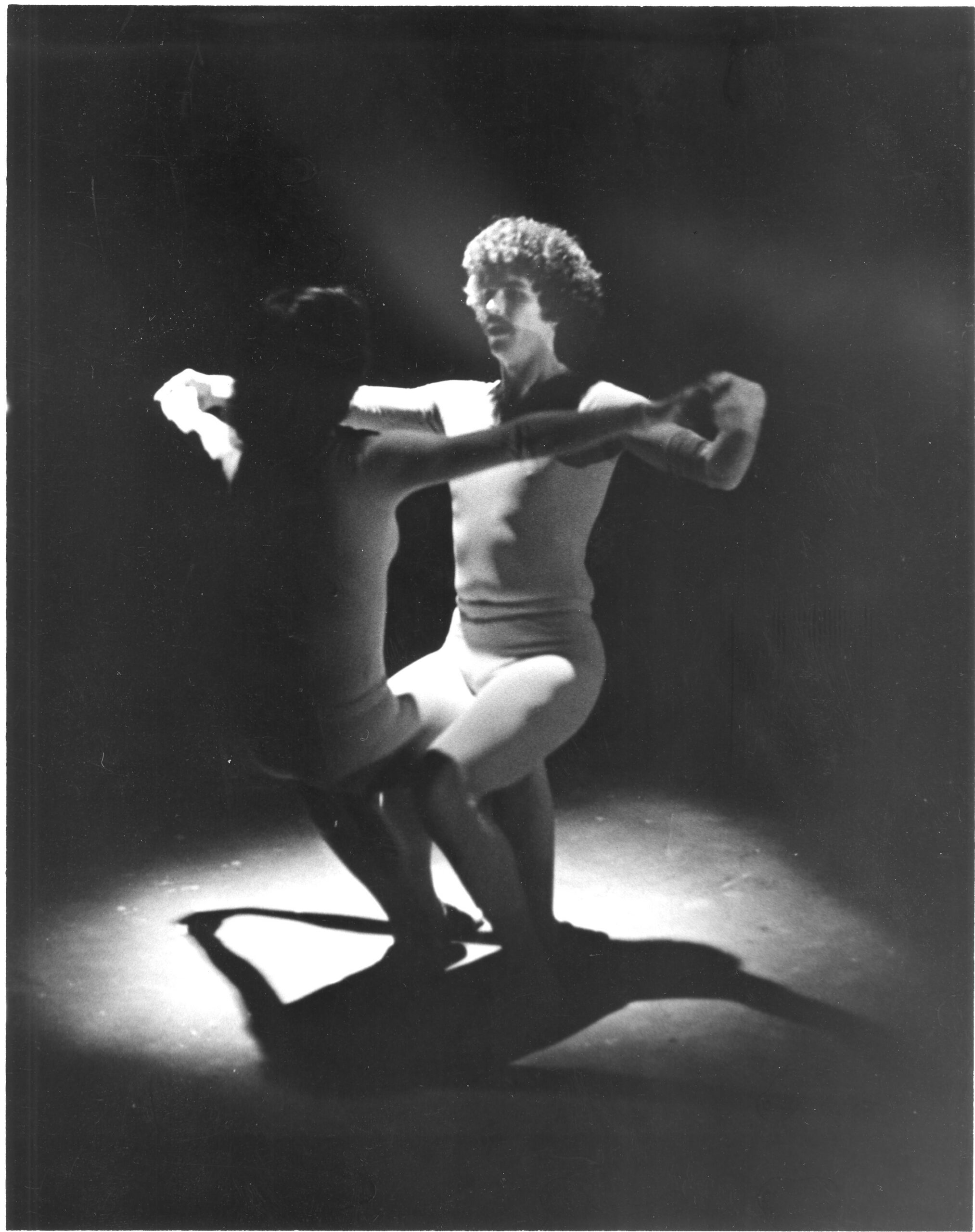
1974 – Laser I: Brook Andrews and Lynda Spikell
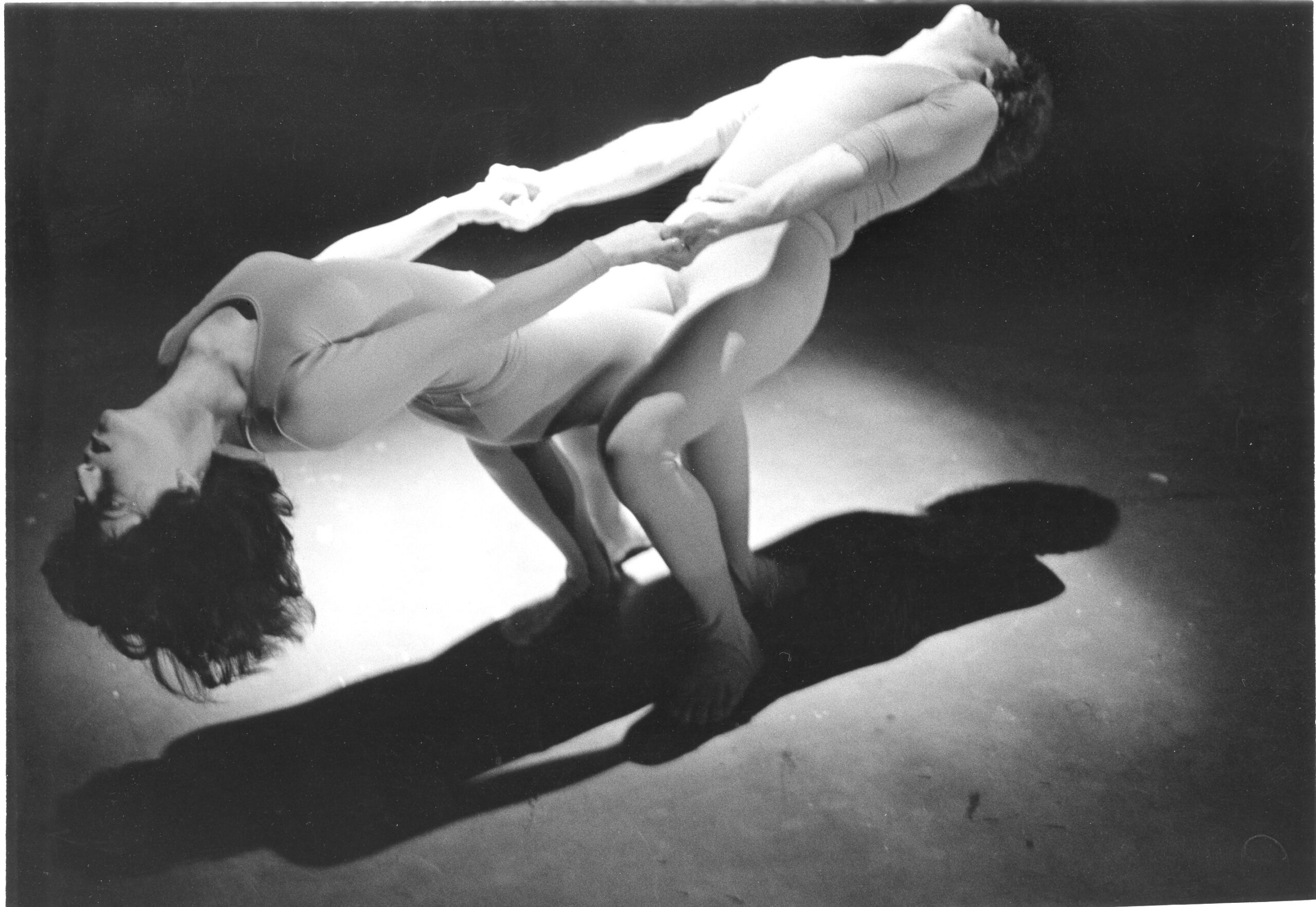
1974 – Lynda Spikell and Brook Andrews
Artists and Collaborators
- Concept / Choreography
- Dancers, 1971
- Music, Beatles
- Dancers, 1974